… past, present and …
… past, present and …
Castle Loch in Lochmaben offers enchanting walks amidst its picturesque surroundings. Nestled in the heart of Dumfries and Galloway, this historic site invites visitors to wander along its scenic trails, providing breathtaking views of the tranquil loch and the majestic ruins of Lochmaben Castle. The walks at Castle Loch Lochmaben offer a perfect blend of natural beauty and rich history, making it an idyllic destination for nature lovers and history enthusiasts alike.
The Castle Loch nature reserve is owned and cared for by the local community. The Trust relies on the work of volunteers to help care for and manage the site. Please respect it. Information on the Castle Loch Lochmaben Community Trust
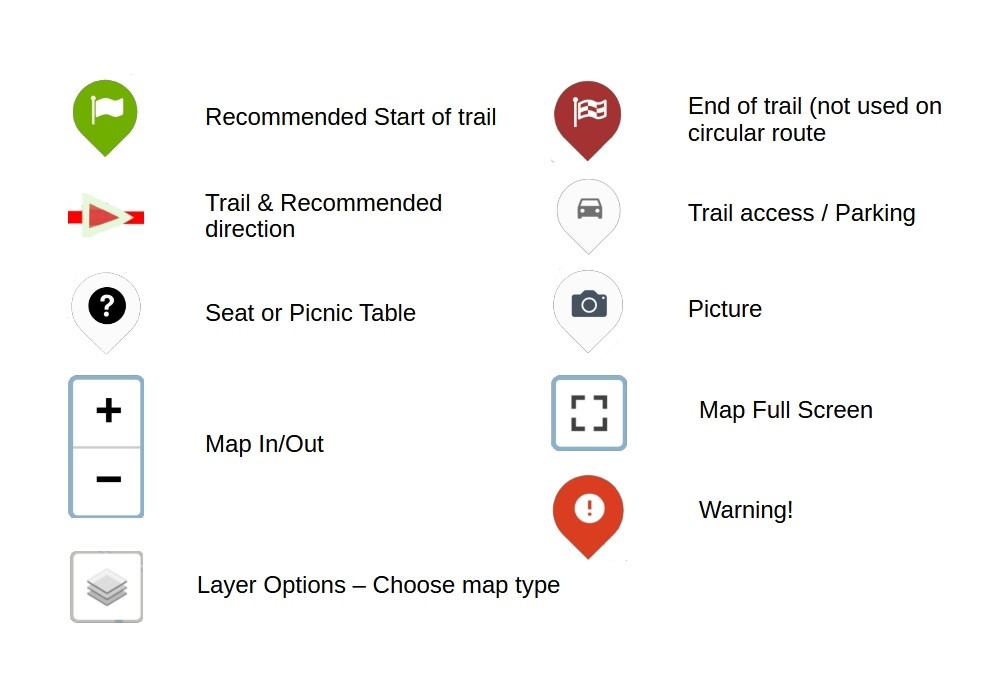
Below are a number of maps of walks around the Castle Loch, these walks are all relatively easy to do and the selections demonstrate a number of alternative options to extend the routes. Please have a look at the guide,
Using the Map
, for the symbols on the map before using
Please remember Castle Loch is a
Site of Special Scientific Interest (SSSI)
and respect the area and others using it.
Timings for the walks have been calculated in Kilometres loosely based on
Naismith's Rule
with speed of 4 Km / hour.
A Site of Special Scientific Interest (SSSI) is a designated area in the United Kingdom that is legally protected due to its unique or significant scientific, ecological, geological, or botanical importance.
These sites are chosen based on their exceptional features, which may include rare habitats, important wildlife species, unique geological formations, or historically significant features.
The main purpose of designating an area as an SSSI is to conserve and protect its natural and scientific value for future generations. Any proposed activities or developments within an SSSI are subject to strict regulations and may require approval from the relevant conservation authorities to ensure that they do not harm the site’s special features.
The conservation efforts for SSSIs play a crucial role in safeguarding the UK’s biodiversity and maintaining its natural heritage.
Naismith’s rule is used to estimate the time it takes to walk a distance, taking into account the ascent or descent of the terrain. It is commonly used in hiking and outdoor activities to get a rough idea of the walking time required for a given route.
Loosely the formula is as follows:
Time = Distance / Speed
Where:
– Distance is the total horizontal distance to be covered in kilometres.
– Speed is the walking speed in kilometres per hour, which is usually taken as 5 km/h for average walking on flat terrain.
– Ascent is the total ascent (positive vertical climb) in meters. Note that Naismith’s rule does not consider descent in this formula.
Just remember that Naismith’s rule is a simple estimation and may not take into account various factors such as;
It should be used as a rough guide rather than a precise calculation.
Always plan your hikes and outdoor activities with additional safety margins and adjustments based on your specific circumstances.